On a warm afternoon at Anahata, the air above the cover crop carries a low, insistent hum. It is not the sound of the vines—grapevines, as any grower will tell you, pollinate themselves on the wind and ask nothing of insects for the privilege. The hum belongs to the bees, and they are working on everything else: the phacelia and the crimson clover between the rows, the wildflowers at the margin, the blossoms in the oak savannah above the hillside. A vineyard, properly understood, is never only a vineyard. It is a community of plants, insects, soils, and birds, and the wine it produces is inseparable from the health of that community.
Between our vine rows, we seed a rotating cover crop of phacelia, crimson clover, mustard, and native grasses — plants chosen for their contributions to soil biology, erosion control, and the quiet work of keeping pest pressure in check. Cover crops earn their keep twice over. Once underground, where their roots fix nitrogen and feed the microbial life the vines depend on, and again in bloom, where their flowers sustain the bees and native pollinators that move through every acre of the property. And the bees, in turn, sustain the bloom. A crop kept in steady flower is a habitat — a place where predatory and parasitic insects live, hunt, and reproduce, finding everything they need between the rows rather than on the vines. The bees are the keystone of this arrangement; the beneficials they share the cover with are the ones who answer mites, leafhoppers, and the insects that would otherwise warrant a spray. The result is the quietest kind of pest management: pressure handled at the level of the ecosystem, before it ever reaches the fruit. It is also the foundation of a vineyard that can, year after year, dial its herbicide and insecticide use toward something approaching zero. Sustainability, at its most practical, is the long game of letting living things do the work of a chemical input.
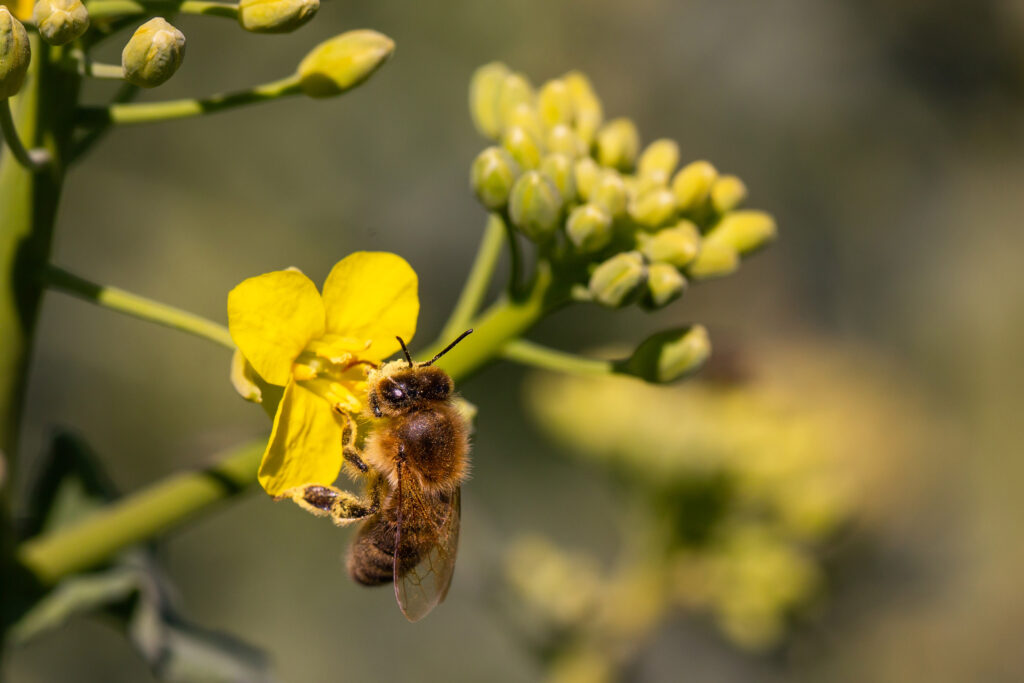
The bees do not confine themselves to the vineyard. They range widely, foraging the oak savannahs, riparian corridors, and mixed conifer stands that fringe the Eola-Amity Hills—and in doing so, they knit the vineyard into the broader life of the land. Forest health is vineyard health. A wooded edge rich with flowering understory supports the raptors that manage rodent pressure, the bats and beneficial wasps that answer insect populations before we have to, and the fungal networks in the soil that recognize no property line. Bees are indicator species and connective tissue at once: where they thrive, the surrounding ecosystem is intact; where the surrounding ecosystem is intact, the vineyard benefits from every good thing a neighbor can offer.
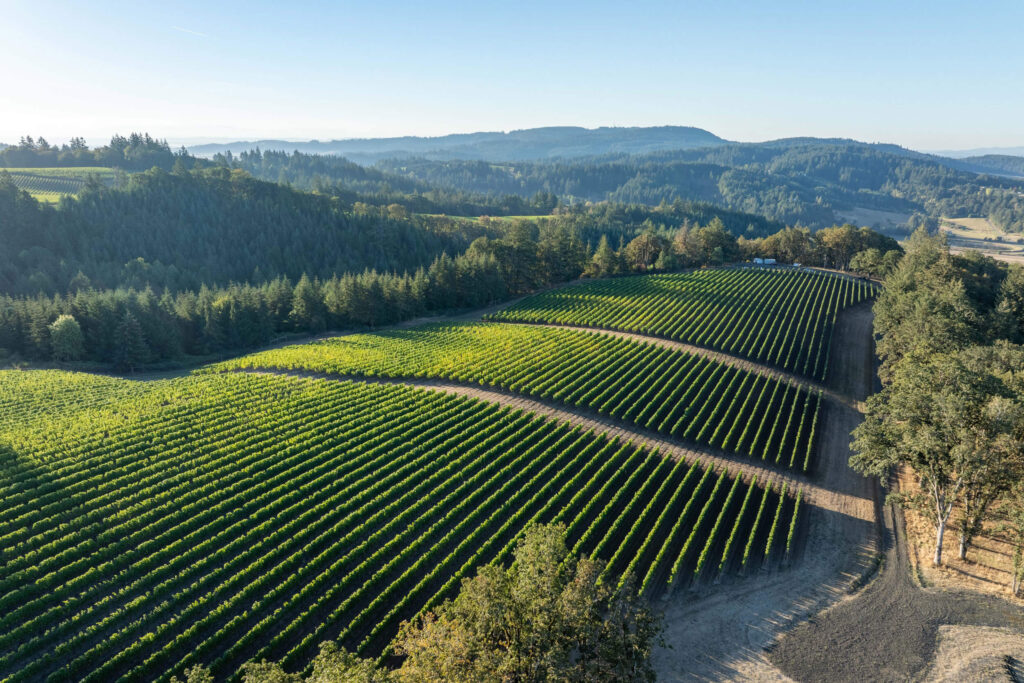
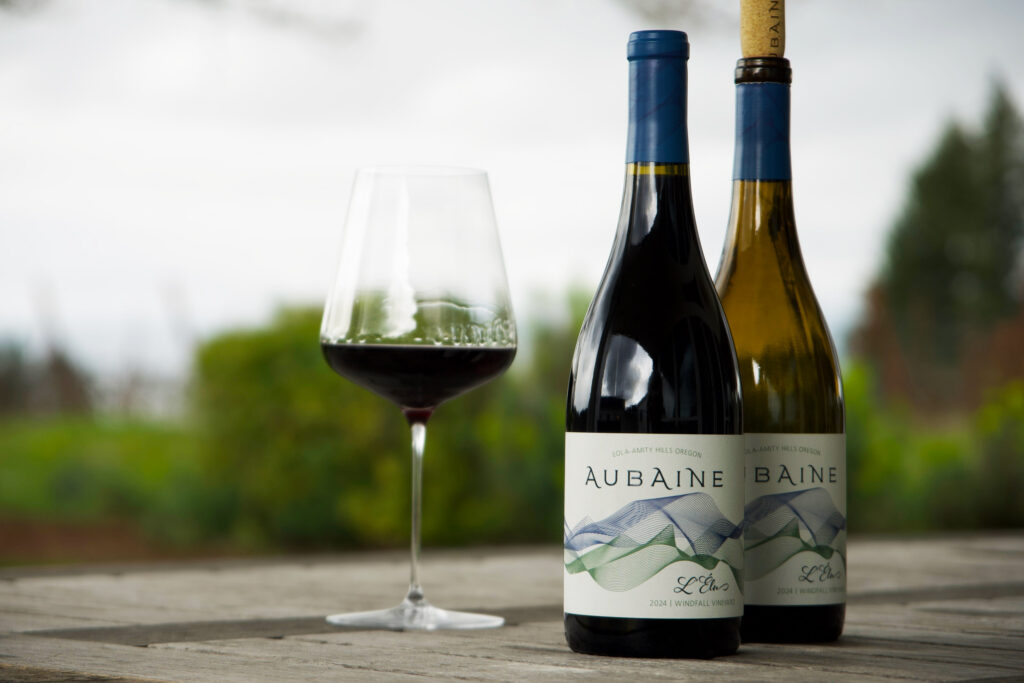
When we talk about wine, there is a tendency to speak of terroir as though it were a matter of soil and weather alone. It is something larger. Terroir is a living system, and a great vintage is less the product of a single exceptional season than the accumulated health of the place that produced it—the vigor of its cover crops, the presence of its pollinators, the integrity of the forest that frames it, the quiet, unmeasurable work of every organism that calls the hillside home. The wines we draw from Anahata and Windfall carry that completeness in the glass, whether or not the drinker can name its source. Tension, clarity, a precision of flavor that rewards slow attention—these qualities are not manufactured. They are the dividend of an ecosystem in balance.
Keeping bees, then, is not a garnish to our sustainability program. It is one of its more honest expressions. The hives tell us, in a way no certification can, whether we are tending this place well. On the days when the hum is loudest, we take it as confirmation that the system is holding — that the cover crop is flowering, the beneficial organisms are at work, the sprayer is quiet, and the wooded margins are doing their part. A healthy vineyard is a loud place, if you know how to listen.
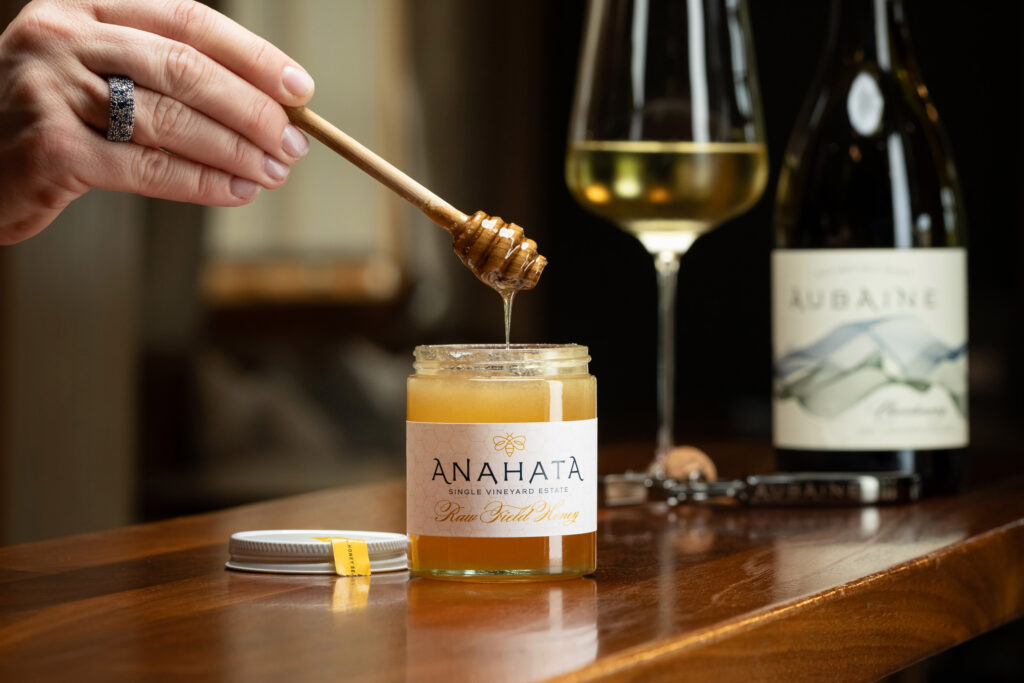
Our estate honey is vintage-dated, jar by jar, for the same reason the wines are: each one is a record of a single season — its bloom, its weather, its particular summer of work. The parallel is not incidental. The cover crops that feed our soils feed our hives, the winds that cool our fruit shape the flowers our bees forage, and the year that makes a fine wine tends to make a remarkable honey. When you visit the Wine Lounge, taste the two together. A taste of honey and wine from the same vintage is the most unvarnished demonstration we can offer of what an ecosystem, working well, puts in the glass.
The jars are on the shelf at our Wine Lounge in Dundee, Oregon, and available to take home with you.
The invitation is standing.